

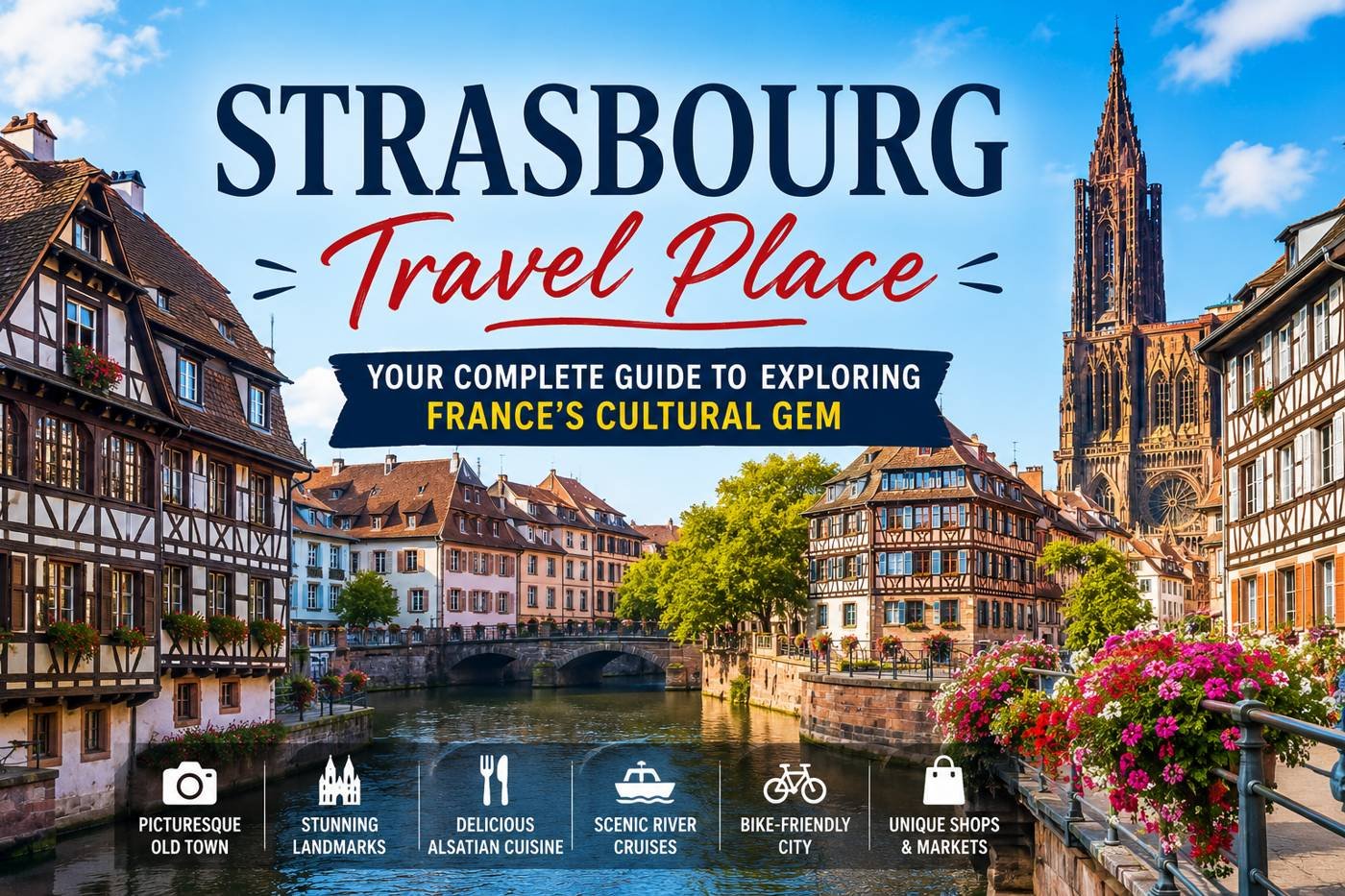
Looking for a Strasbourg travel place that blends old-world charm with modern European flair? You’ve found it. Nestled along the Ill River near the German border, Strasbourg is a captivating city where French elegance meets Germanic tradition. Whether you’re drawn to its fairytale-like architecture, rich culinary scene, or vibrant cultural life, Strasbourg delivers an unforgettable experience. This guide dives deep into everything you need to know from must-see landmarks and hidden alleys to seasonal events and local tips so you can make the most of your visit to this unique Alsace destination.
Why Strasbourg Stands Out as a Top Travel Destination
Strasbourg isn’t just another French city it’s a crossroads of cultures, history, and innovation. As the official seat of the European Parliament, it plays a pivotal role in European politics, but its soul lies in its cobblestone streets, half-timbered houses, and centuries-old traditions. The city’s UNESCO-listed Grande Île (Grand Island) is a living museum of medieval and Renaissance architecture, making it one of the best-preserved urban centers in Europe.
What truly sets Strasbourg apart is its seamless fusion of French and German influences. You’ll hear Alsatian dialects, taste dishes like tarte flambée and choucroute, and admire Gothic spires alongside Baroque facades. It’s a place where Christmas markets glow with centuries-old warmth and contemporary art galleries buzz with creativity. For travelers seeking authenticity, depth, and charm, Strasbourg is a standout choice.
Key Highlights That Define Strasbourg as a Travel Place
- Strasbourg Cathedral: A masterpiece of Gothic architecture with an astronomical clock and panoramic views from its platform.
- La Petite France: A picturesque district of canals, flower-lined bridges, and timber-framed homes perfect for romantic strolls.
- European Institutions: Home to the European Parliament, Council of Europe, and European Court of Human Rights ideal for politically curious travelers.
- Alsace Wine Route Access: Gateway to some of France’s finest white wines, including Riesling and Gewürztraminer.
- Year-Round Festivals: From the famed Christmas market to summer music festivals, there’s always something happening.
Exploring the Heart of Strasbourg: Must-Visit Neighborhoods
To truly experience Strasbourg as a travel place, you need to wander its distinct neighborhoods. Each district offers a unique atmosphere, from historic charm to modern energy.
La Petite France: The Postcard-Perfect Quarter
No visit to Strasbourg is complete without a walk through La Petite France. This UNESCO-protected area is a maze of narrow lanes, wooden bridges, and ivy-covered houses reflected in the calm waters of the Ill River. Once home to tanners and millers, today it’s a haven for photographers, couples, and culture seekers.
Don’t miss the chance to take a boat tour along the canals it’s one of the most relaxing ways to see the city. In the evening, the district glows under soft lantern light, creating a magical ambiance. Cafés and wine bars line the streets, offering local wines and Alsatian specialties like baeckeoffe (a slow-cooked meat and potato stew).
Grande Île: The Historic Core
The Grande Île is the historic heart of Strasbourg and a UNESCO World Heritage Site since 1988. This island in the Ill River is encircled by canals and packed with landmarks. At its center stands the iconic Strasbourg Cathedral, a 142-meter-tall Gothic marvel completed in 1439.
Climb the cathedral’s north tower for a breathtaking view of the city and the surrounding Rhine plains. Inside, the astronomical clock performs a mechanical spectacle every day at 12:30 PM, with moving figures representing the Apostles. Nearby, the Musée de l’Œuvre Notre-Dame houses medieval sculptures and paintings that reveal the city’s artistic legacy.
Krutenau: The Riverside Creative Hub
Just south of the city center, Krutenau (the “Vegetable Garden”) is a bohemian neighborhood known for its riverside promenades, art galleries, and indie boutiques. Once an agricultural zone, it’s now a hotspot for young creatives and food lovers.
Stroll along the Quai des Bateliers for views of houseboats and swans gliding past. Stop by local cafés for a glass of local wine or a croissant aux amandes. On weekends, the area comes alive with street performers and pop-up markets. It’s also home to the Musée Alsacien, which showcases traditional Alsatian life through costumes, furniture, and artifacts.
Top Attractions in Strasbourg: What You Can’t Miss
Strasbourg’s attractions go beyond postcard views they tell stories of faith, power, and cultural exchange. Here are the unmissable sites that define the city as a premier travel place.
Strasbourg Cathedral (Cathédrale Notre-Dame de Strasbourg)
This 12th-century cathedral is the crown jewel of Strasbourg. Its intricate façade, towering spire, and stunning rose window are testaments to medieval craftsmanship. The cathedral’s interior is equally impressive, with a 12th-century astronomical clock that still functions today.
Visitors can climb 332 steps to the top of the spire for a 360-degree view of the city and the Vosges mountains in the distance. The cathedral also hosts regular concerts, especially during the summer, where the acoustics amplify the beauty of organ music.
European Parliament and European Quarter
Strasbourg is one of the three official capitals of the European Union, alongside Brussels and Luxembourg. The European Parliament holds plenary sessions here four days a month, and the Louise Weiss building a striking glass-and-steel structure is open for guided tours.
Even if you’re not attending a session, the European Quarter is worth a visit for its modern architecture and symbolic importance. The nearby Parc de l’Europe offers green space and views of the Ill River. The European Court of Human Rights, with its distinctive blue glass façade, is another architectural highlight.
Palais Rohan and Its Museums
Built in the 18th century as a residence for the prince-bishops of Strasbourg, the Palais Rohan now houses three major museums: the Musée des Beaux-Arts (Fine Arts), the Musée Archéologique (Archaeology), and the Musée des Arts Décoratifs (Decorative Arts).
The Fine Arts Museum features works by Rubens, Van Dyck, and Delacroix, while the Decorative Arts Museum showcases porcelain, furniture, and tapestries from the 16th to 19th centuries. The palace itself is a masterpiece of French classical architecture, with ornate interiors and a grand courtyard.
Boat Tours on the Ill River
One of the best ways to see Strasbourg is from the water. Boat tours depart regularly from various points along the Ill River and offer a unique perspective of the city’s landmarks, including the cathedral, La Petite France, and the European institutions.
Most tours last about 45 minutes and include commentary in multiple languages. Evening tours are especially popular, as the city lights reflect beautifully on the water. Some operators also offer dinner cruises with Alsatian cuisine onboard.
Seasonal Experiences: When to Visit Strasbourg
The best time to visit Strasbourg depends on what you want to experience. Each season offers something special, making it a year-round travel place.
Winter: The Magic of the Strasbourg Christmas Market
Strasbourg’s Christmas market, known as “Christkindelsmärik,” is one of the oldest and most famous in Europe, dating back to 1570. Held from late November to Christmas Eve, it transforms the city into a winter wonderland.
Over 300 chalets line the squares around the cathedral and Place Kléber, selling handmade ornaments, mulled wine (vin chaud), and traditional treats like bredele (Alsatian Christmas cookies). The towering Christmas tree in Place Kléber is a seasonal icon, and the city is adorned with thousands of lights.
Even if you’re not a fan of crowds, the festive atmosphere is infectious. It’s a perfect time to sip glühwein, listen to carolers, and soak in the holiday spirit.
Spring and Summer: Festivals, Gardens, and Outdoor Dining
From April to September, Strasbourg comes alive with outdoor events. The Printemps de Strasbourg (Spring Festival) features classical music concerts in historic venues. In summer, the city hosts the Strasbourg Music Festival, with performances in parks, churches, and public squares.
The Parc de l’Orangerie and Parc de la Citadelle offer green escapes with lakes, playgrounds, and picnic areas. Outdoor cafés and wine gardens (winstubs) fill with locals and tourists enjoying long, sunny evenings. The city also hosts a vibrant food scene, with markets like Marché des Producteurs offering fresh produce, cheeses, and baked goods.
Autumn: Wine Harvest and Cultural Events
Fall is harvest season in Alsace, and Strasbourg is the perfect base for exploring the nearby vineyards. Many wineries offer tastings and tours, and the city hosts wine festivals celebrating the new vintage.
The cooler weather makes it ideal for walking tours and museum visits. The city’s cultural calendar remains active, with theater performances, art exhibitions, and film festivals. It’s also a great time to enjoy hearty Alsatian cuisine, like flammekueche (tarte flambée) and spaetzle.
Local Cuisine: A Taste of Alsace in Strasbourg
Strasbourg’s food scene is a delicious blend of French refinement and German heartiness. As a travel place, it’s a paradise for food lovers.
Must-Try Dishes
- Tarte Flambée (Flammekueche): A thin crust topped with crème fraîche, onions, and bacon often compared to pizza but uniquely Alsatian.
- Choucroute Garnie: Fermented cabbage served with sausages, pork, and potatoes a comforting winter dish.
- Baeckeoffe: A slow-cooked casserole of marinated meats and potatoes, traditionally baked in a sealed clay pot.
- Kougelhopf: A sweet or savory yeast cake with raisins and almonds, often served for breakfast or dessert.
- Alsatian Wines: Riesling, Gewürztraminer, Pinot Gris, and Crémant d’Alsace (sparkling wine) are local favorites.
Where to Eat
For an authentic experience, visit a traditional winstub a cozy wine bar serving local dishes. Try Winstub du Sommelier for expert wine pairings or Au Crocodile for fine dining with a historic setting. For something casual, head to Le Clou for excellent tarte flambée or Maison Kammerzell, a beautifully restored 15th-century house turned restaurant.
Practical Tips for Traveling in Strasbourg
To make your trip smooth and enjoyable, keep these practical tips in mind.
Getting Around
Strasbourg has an excellent public transport system, including trams and buses operated byCTS. A single ticket costs around €1.80, but day passes (€5.20) are more economical for tourists. The city is also very walkable, especially in the historic center.
Biking is popular, and the city has over 600 km of bike paths. Rent a bike from Vélhop, the local bike-sharing service, or use one of the many rental shops.
Language and Etiquette
French is the official language, but many locals also speak Alsatian, a Germanic dialect. English is widely spoken in tourist areas. A simple “Bonjour” when entering shops or restaurants goes a long way in showing respect.
Tipping is not mandatory but appreciated rounding up the bill or leaving 5–10% in restaurants is common.
Accommodation Options
Strasbourg offers a range of stays, from luxury hotels to budget hostels. For a central location, consider staying near Place Kléber or the Cathedral. Boutique hotels like Hôtel Régent Petite France offer charm and comfort, while Generator Strasbourg is a great budget option with a social vibe.
Key Takeaways: Why Strasbourg is a Must-Visit Travel Place
- Strasbourg blends French and German cultures seamlessly, offering a unique European experience.
- The city’s historic center, La Petite France, and Strasbourg Cathedral are UNESCO World Heritage Sites.
- It’s a hub for European politics, home to the European Parliament and other key institutions.
- The Christmas market is one of the oldest and most beautiful in Europe.
- Alsatian cuisine and wine are highlights, with dishes like tarte flambée and choucroute garnie.
- The city is walkable, bike-friendly, and well-connected by public transport.
FAQ: Your Questions About Strasbourg Answered
What is the best time to visit Strasbourg?
The best time depends on your interests. For the famous Christmas market, visit in December. For mild weather and festivals, spring and summer (April to September) are ideal. Autumn offers wine harvest events and fewer crowds.
Is Strasbourg safe for tourists?
Yes, Strasbourg is generally safe for tourists. Like any city, be mindful of pickpockets in crowded areas, especially during festivals. The historic center is well-lit and patrolled, making it safe for evening walks.
Do I need a car to explore Strasbourg?
No, a car is not necessary. The city center is compact and best explored on foot or by tram. Public transport is efficient, and parking can be expensive and difficult to find. For day trips to the Alsace Wine Route, consider a guided tour or rental car.
Final Thoughts: Strasbourg as Your Next Travel Place
Strasbourg is more than a destination it’s an experience. Whether you’re marveling at the Gothic spires of its cathedral, sipping wine in a centuries-old winstub, or gliding along its tranquil canals, the city invites you to slow down and savor the moment. As a travel place, it offers depth, beauty, and authenticity in equal measure. With its rich history, vibrant culture, and warm hospitality, Strasbourg doesn’t just welcome visitors it leaves them longing to return.

