

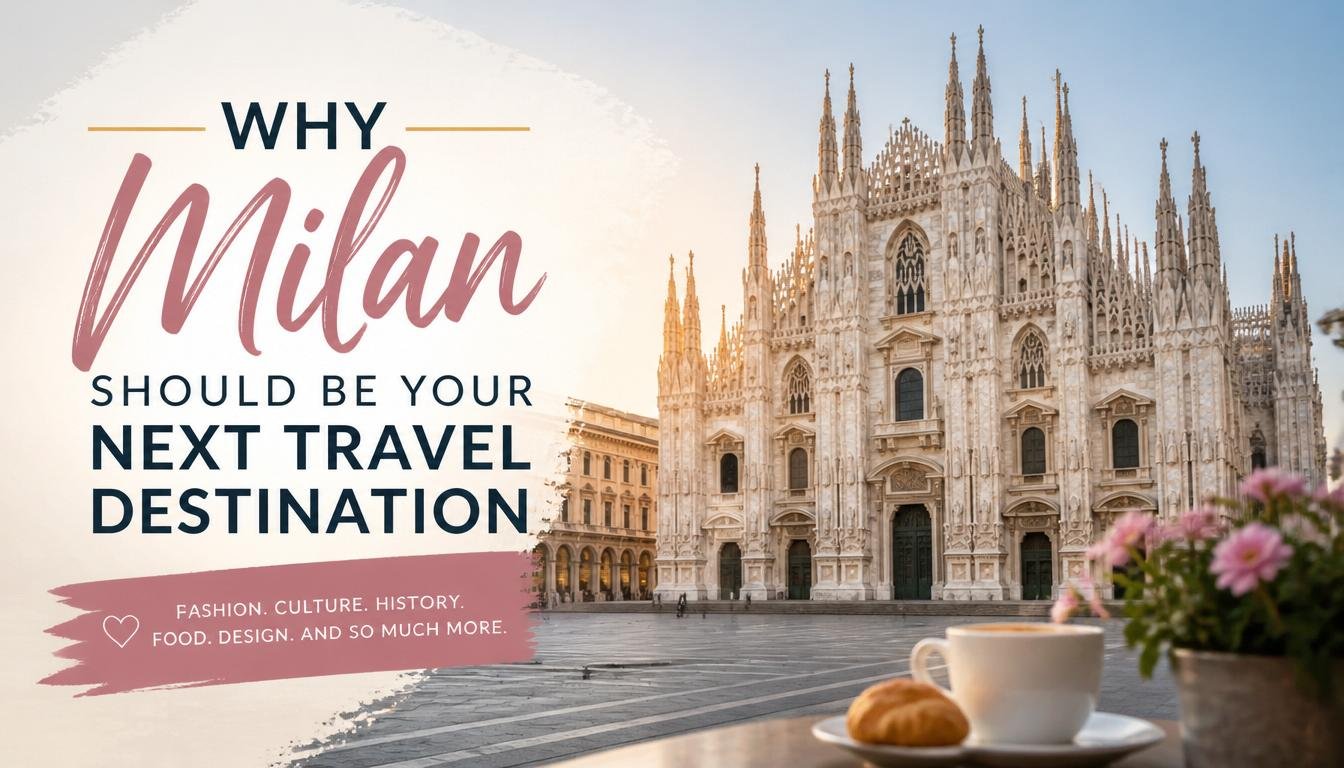
Milan isn’t just Italy’s fashion capital it’s a vibrant, layered city where history, art, innovation, and culinary excellence converge. If you’re searching for a Milan travel place that blends world-class culture with modern energy, you’ve found it. From the awe-inspiring Duomo di Milano to hidden courtyards in Brera, this northern Italian gem offers an unforgettable experience for every kind of traveler. Whether you’re drawn to high-end shopping, Renaissance masterpieces, or authentic risotto alla Milanese, Milan delivers with style and substance.
Unlike the more tourist-heavy cities of Rome or Florence, Milan maintains a refined, business-savvy charm while still offering deep cultural immersion. It’s a city that pulses with creativity home to cutting-edge design studios, Michelin-starred restaurants, and one of the world’s most influential fashion weeks. Yet beneath its polished exterior lies a rich tapestry of history, from Roman ruins to Napoleonic palaces. This balance makes Milan a uniquely compelling Milan travel place for both short city breaks and extended cultural explorations.
Top Attractions That Define Milan as a Must-Visit Travel Place
Milan’s skyline is instantly recognizable thanks to its iconic Gothic cathedral, but the city’s appeal extends far beyond its most photographed landmark. Here are the essential sights that solidify Milan’s status as a premier European destination.
The Duomo di Milano: A Masterpiece of Gothic Grandeur
The Duomo is not just a church it’s a symbol of Milan’s identity. Rising above Piazza del Duomo with its forest of spires and intricate marble façades, this 14th-century cathedral took nearly six centuries to complete. Climb to the rooftop for panoramic views of the city and the distant Alps, or descend into the archaeological area beneath the piazza to see remnants of a Roman temple and early Christian baptistery.
Don’t miss the golden statue of the Madonnina atop the central spire she’s been watching over Milan since 1774. Inside, the stained-glass windows cast kaleidoscopic light across the nave, and Michelangelo’s unfinished Pietà Rondanini resides in a quiet corner of the cathedral museum. Visiting the Duomo is a non-negotiable part of any Milan travel place itinerary.
Galleria Vittorio Emanuele II: Shopping and History Under a Glass Dome
Often called “Il Salotto di Milano” (Milan’s Drawing Room), this 19th-century shopping arcade is one of the world’s oldest malls. Connecting the Duomo to La Scala opera house, the Galleria features luxury boutiques, historic cafés, and a stunning iron-and-glass dome that sparkles in the sunlight.
Rub the toe of the bull mosaic on the floor for good luck a tradition locals and tourists alike still follow. Stop for an espresso at Biffi Caffè, a historic institution since 1867, or browse high-end fashion at Prada’s flagship store, housed in the building since 1913. The Galleria isn’t just a shopping destination; it’s a living piece of Milanese heritage.
Teatro alla Scala: The Temple of Opera
For music lovers, a visit to La Scala is a pilgrimage. Opened in 1778, this opera house has hosted legends like Verdi, Puccini, and Maria Callas. Even if you don’t catch a performance, the museum offers fascinating exhibits on costumes, scores, and stage designs.
Evening performances are a cultural event dress codes are still observed, and the acoustics are considered among the finest in the world. Booking tickets in advance is essential, especially during the winter season. For a more accessible experience, consider a guided backstage tour that reveals the theater’s hidden mechanics and storied past.
Hidden Gems: Discovering Milan Beyond the Guidebooks
While Milan’s major landmarks draw crowds, the city’s true charm often lies in its quieter corners. These lesser-known spots offer a more intimate look at local life and are perfect for travelers seeking authenticity.
Brera District: Art, Bohemian Vibes, and Cobblestone Charm
Tucked between the city center and Sempione Park, Brera feels like a village within the metropolis. Its narrow streets are lined with art galleries, independent bookshops, and cozy trattorias. The Pinacoteca di Brera houses masterpieces by Caravaggio, Raphael, and Mantegna, making it a must-visit for art enthusiasts.
Wander through the Brera Botanical Garden, a serene oasis founded in 1774, or sip an aperitivo at one of the outdoor cafés as locals gather after work. The district’s laid-back atmosphere contrasts beautifully with Milan’s fast-paced business districts, offering a refreshing change of pace.
Cimitero Monumentale: A City of the Dead Like No Other
This 19th-century cemetery is more than a burial ground it’s an open-air museum of sculpture and architecture. Elaborate tombs, towering obelisks, and haunting statues create a surreal, poetic atmosphere. Designed by architect Carlo Maciachini, the cemetery blends Gothic, Art Nouveau, and Neoclassical styles.
Notable graves include those of the writer Alessandro Manzoni and the composer Arturo Toscanini. Visit in the late afternoon when golden light filters through the cypress trees, and the silence feels almost sacred. It’s a contemplative stop that reveals a different side of Milan’s cultural depth.
Navigli Canals: Milan’s Waterfront Revival
Once vital trade routes, the Navigli canals now serve as the city’s social heart. The Darsena (dock) area, where two canals meet, is lined with bars, restaurants, and vintage shops. On weekends, the Navigli market fills the streets with antiques, crafts, and street food.
Take a sunset stroll along the canal banks, enjoy a glass of wine at a waterside enoteca, or hop on a boat tour to see the city from a unique perspective. The canals come alive at night, especially during the monthly “Aperitivo in Navigli” event, when locals gather for drinks and live music.
Milan’s Culinary Scene: A Food Lover’s Paradise
Milanese cuisine is often overshadowed by Italy’s more famous regional dishes, but the city boasts a rich gastronomic tradition rooted in simplicity and quality ingredients. Here’s what to eat when you visit.
Must-Try Dishes in Milan
- Risotto alla Milanese: Creamy saffron-infused rice, traditionally served with ossobuco (braised veal shanks). The golden hue comes from saffron, a spice introduced by Spanish rulers centuries ago.
- Cotoletta alla Milanese: A breaded and fried veal cutlet, similar to Wiener schnitzel. Crispy on the outside, tender within best enjoyed at historic restaurants like Trattoria Milanese.
- Panettone: Milan’s iconic Christmas cake, though available year-round in many bakeries. Look for artisanal versions with candied orange and chocolate chips.
- Ossobuco: Slow-cooked veal shanks in a rich tomato and wine sauce, often paired with risotto. A winter favorite that warms the soul.
- Negroni Sbagliato: A Milan-born twist on the classic Negroni, made with prosecco instead of gin. Light, bubbly, and perfect for aperitivo.
Where to Eat: From Trattorias to Michelin Stars
For an authentic experience, head to family-run trattorias in neighborhoods like Porta Ticinese or Isola. Try Trattoria del Nuovo Macello for hearty portions of traditional fare, or Peck for a gourmet deli experience with cured meats and aged cheeses.
Fine dining lovers should book a table at Cracco or Il Luogo di Aimo e Nadia, both Michelin-starred and deeply rooted in Milanese culinary innovation. Don’t skip aperitivo hour between 6 and 9 PM, bars offer buffet-style snacks with your drink, turning dinner into a social event.
Shopping in Milan: From High Fashion to Local Artisans
Milan is synonymous with style, and its shopping scene reflects that reputation. Whether you’re hunting for designer labels or unique handmade goods, the city offers endless options.
Quadrilatero della Moda: The Fashion Quadrilateral
This prestigious district bounded by Via Montenapoleone, Via della Spiga, Via Sant’Andrea, and Via Manzoni is the epicenter of Italian luxury. Here, you’ll find flagship stores for Gucci, Prada, Versace, and Armani, often housed in historic palazzos.
Even window shopping is an experience, with displays that resemble art installations. Visit during Milan Fashion Week (February and September) to see the city transform into a global style capital.
Corso Como and 10 Corso Como
For a more eclectic shopping experience, head to Corso Como. This trendy street blends fashion, design, and culture, anchored by the concept store 10 Corso Como. Founded in 1990, it features curated clothing, books, art, and a rooftop garden café.
The surrounding area is filled with independent boutiques, vintage shops, and concept stores like Antonia and Excelsior Milano. It’s a favorite among fashion insiders and creative professionals.
Local Markets and Artisan Shops
For something more personal, explore markets like Mercatone del Naviglio or the weekly Mercato delle Stampe in Piazza XXIV Maggio. You’ll find handmade jewelry, leather goods, and vintage prints.
Support local artisans by visiting shops in the Tortona Design District, where designers and craftsmen showcase innovative products. Many offer workshops where you can learn traditional techniques like leatherworking or ceramic painting.
Getting Around Milan: Transportation Tips for Travelers
Milan’s public transportation system is efficient, affordable, and easy to navigate. The city is well-connected by metro, trams, buses, and regional trains.
Milan Metro: Fast and Reliable
The metro has four lines (M1, M2, M3, M5) that cover most major attractions. Trains run frequently, and stations are clean and safe. Buy tickets at metro stations or tobacco shops validate them before boarding to avoid fines.
The M3 (yellow line) is particularly useful, connecting the central station (Milano Centrale) to the Duomo, Brera, and Navigli.
Trams and Buses: Scenic and Historic
Milan’s tram network is one of the largest in Europe, with over 170 km of tracks. Tram 1 is a classic route that passes the Duomo, Sforza Castle, and the Central Station. Many trams are historic models, offering a charming ride through the city.
Buses complement the metro, especially in outer neighborhoods. Use the ATM Milano app to plan routes and check real-time arrivals.
Walking and Cycling
Milan’s city center is compact and walkable, especially around the Duomo, Galleria, and Sforza Castle. For longer distances, consider renting a bike through the BikeMi system, which has docking stations throughout the city.
Electric scooters are also popular download apps like Lime or Dott to find and unlock them. Just be mindful of traffic and pedestrian zones.
Best Time to Visit Milan: Weather and Events
Milan enjoys a temperate climate, but the best time to visit depends on your interests.
Spring (April–June)
Ideal for sightseeing, with mild temperatures and blooming parks. The city hosts events like Fuorisalone during Milan Design Week, showcasing cutting-edge architecture and design.
Summer (July–August)
Warm and lively, but also crowded and humid. Many locals leave for vacation, so some shops and restaurants may close. Outdoor festivals and open-air cinemas thrive during this season.
Autumn (September–November)
Perfect for cultural trips, with comfortable weather and fewer tourists. September brings Milan Fashion Week, while October and November offer wine tastings and truffle festivals in nearby regions.
Winter (December–February)
Chilly but magical, especially during Christmas when the city sparkles with lights and markets. January offers post-holiday sales, and February hosts Carnevale celebrations with masked balls and street performances.
Key Takeaways: Why Milan Stands Out as a Travel Place
- Milan blends historic grandeur with modern innovation, making it a dynamic Milan travel place for culture, fashion, and food.
- Must-see attractions include the Duomo, Galleria Vittorio Emanuele II, and La Scala, but hidden gems like Brera and Navigli offer deeper local experiences.
- The city’s culinary scene features iconic dishes like risotto alla Milanese and cotoletta, best enjoyed during aperitivo hour.
- Shopping ranges from luxury boutiques in the Quadrilatero della Moda to artisan markets in Tortona and Navigli.
- Public transportation is efficient, and the city is highly walkable, especially in the historic center.
- The best times to visit are spring and autumn, balancing pleasant weather with major cultural events.
FAQ: Your Questions About Milan Answered
Is Milan safe for tourists?
Yes, Milan is generally safe for travelers. Like any major city, be aware of pickpockets in crowded areas like the Duomo, Central Station, and public transport. Keep valuables secure and avoid poorly lit alleys at night.
Do I need to speak Italian to get around Milan?
Not necessarily. Many locals, especially in tourism and service industries, speak English. Learning a few basic Italian phrases like “grazie” (thank you) and “dov’è il bagno?” (where is the bathroom?) goes a long way in showing respect and enhancing your experience.
How many days should I spend in Milan?
Three to four days is ideal for a first visit. This allows time to explore major sights, enjoy a few meals, and experience local neighborhoods. If you’re interested in fashion, design, or opera, consider extending your stay to catch special events or performances.
Final Thoughts: Milan Awaits
Milan is more than a stopover between Rome and the lakes it’s a destination that rewards curiosity and embraces diversity. Whether you’re marveling at Renaissance art, sipping espresso in a centuries-old café, or discovering a new designer in a tucked-away atelier, the city offers endless moments of wonder. As a Milan travel place, it stands apart for its sophistication, energy, and authenticity. Pack your bags, bring comfortable shoes, and prepare to fall in love with one of Europe’s most compelling cities.

