

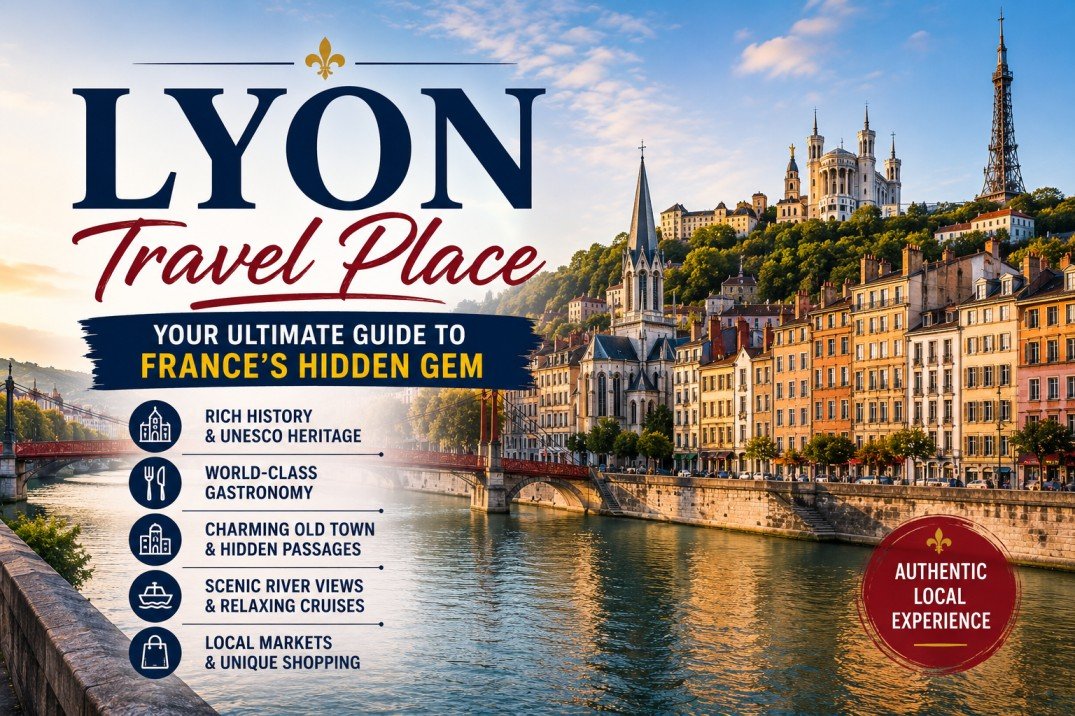
Lyon isn’t just another stop on the French travel map it’s a vibrant, layered destination that blends rich history, world-class cuisine, and a thriving cultural scene into one unforgettable Lyon travel place. Nestled at the confluence of the Rhône and Saône rivers, this UNESCO-listed city offers travelers an authentic French experience far from the tourist crowds of Paris or Nice. Whether you’re drawn to its Renaissance architecture, legendary food markets, or scenic riverside walks, Lyon delivers depth and charm at every turn.
From the cobblestone streets of Vieux Lyon to the modern art spaces of La Croix-Rousse, the city rewards curious explorers with hidden courtyards, panoramic viewpoints, and a local vibe that feels refreshingly real. This guide dives deep into what makes Lyon a must-visit destination in 2024 and beyond covering top attractions, local eats, seasonal tips, and insider secrets only seasoned travelers know.
Why Lyon Stands Out as a Premier Travel Destination
Lyon’s reputation as a top-tier Lyon travel place isn’t accidental. It’s earned through centuries of cultural evolution, strategic urban planning, and a deep-rooted passion for gastronomy. Unlike many European capitals, Lyon maintains a human scale walkable neighborhoods, efficient public transport, and a strong sense of community make it ideal for both short breaks and extended stays.
The city’s historical significance is undeniable. As the former capital of the Gauls and a key Roman settlement, Lyon boasts archaeological treasures like the Théâtre Gallo-Romain and Fourvière Hill. Yet it’s equally celebrated for its forward-thinking spirit home to innovative startups, contemporary museums like the Musée des Confluences, and a dynamic street art scene.
What truly sets Lyon apart, however, is its culinary legacy. Known as the gastronomic capital of France, the city is dotted with bouchons traditional Lyonnais bistros serving dishes like quenelles, andouillette, and pike dumplings. Food lovers will find markets like Les Halles de Lyon Paul Bocuse a paradise of local cheeses, charcuterie, and seasonal produce.
Top Attractions in Lyon: Must-See Spots for Every Traveler
Vieux Lyon: A Step Back in Time
The heart of Lyon’s old town, Vieux Lyon, is a UNESCO World Heritage site brimming with 15th- and 16th-century architecture. Wander through narrow traboules hidden passageways used by silk workers and discover frescoed facades, artisan boutiques, and cozy cafés tucked into stone buildings.
Don’t miss the Cathédrale Saint-Jean-Baptiste, a Gothic masterpiece with an astronomical clock still in operation. Climb the steps to the Fourvière Basilica for panoramic views of the city, or explore the Musée Gadagne, which delves into Lyon’s history and puppet traditions.
Fourvière Hill: Spiritual and Scenic Heights
Perched above the city, Fourvière Hill is both a spiritual and scenic landmark. The Basilica of Notre-Dame de Fourvière, with its golden Virgin Mary statue, dominates the skyline and offers one of the best vantage points in Lyon.
Beyond the basilica, the hill hosts ancient Roman ruins, including the Odeon and the Grand Theatre, still used for performances today. The surrounding park is perfect for a quiet stroll, especially at sunset when the city lights begin to twinkle below.
La Croix-Rousse: The Village on the Hill
Known as the “hill that works,” La Croix-Rousse was once the epicenter of Lyon’s silk industry. Today, it’s a bohemian district filled with independent designers, street artists, and open-air markets.
The weekly Marché de la Croix-Rousse (Saturdays and Sundays) is a local favorite, offering organic produce, vintage finds, and handmade crafts. Explore the traboules here too some stretch across entire city blocks and reveal secret gardens and courtyards.
Presqu’île: The Beating Heart of Modern Lyon
Stretching between the two rivers, Presqu’île is Lyon’s commercial and cultural hub. Rue de la République buzzes with shoppers, while Place des Terreaux hosts the stunning Hôtel de Ville and the Musée des Beaux-Arts one of France’s finest art museums outside Paris.
The area comes alive at night, with wine bars, jazz clubs, and riverside terraces filling up as the sun sets. It’s also home to the iconic Opéra Nouvel, a modern architectural gem designed by Jean Nouvel.
Lyon’s Culinary Scene: A Food Lover’s Paradise
No visit to Lyon is complete without indulging in its legendary food culture. As the self-proclaimed gastronomic capital of France, Lyon offers an unparalleled dining experience rooted in tradition and quality.
Start your culinary journey at Les Halles de Lyon Paul Bocuse, an indoor market named after the famed chef. Here, you’ll find stalls overflowing with fresh seafood, artisanal cheeses, house-cured sausages, and decadent pastries. Grab a seat at one of the market’s bistro counters for a quick, authentic meal.
For a true Lyonnais experience, dine at a bouchon. These family-run eateries serve hearty, home-style dishes using local ingredients. Try classics like:
- Quenelles de brochet – delicate pike dumplings in creamy sauce
- Salade Lyonnaise – frisée lettuce with lardons, poached egg, and bacon vinaigrette
- Tablier de sapeur – breaded and fried tripe, a local favorite
- Rosette de Lyon – a dry-cured sausage often enjoyed with wine
Wine enthusiasts will appreciate Lyon’s proximity to the Beaujolais and Côtes du Rhône regions. Many bouchons offer regional wines by the glass, perfect for pairing with your meal.
Best Time to Visit Lyon: Seasonal Insights
Choosing when to visit Lyon can significantly impact your experience. Each season offers distinct advantages, depending on your travel style.
Spring (March to May)
Spring is arguably the best time to explore Lyon. The weather is mild, flowers bloom in parks like Tête d’Or, and the city hosts cultural events like the Fête des Lumières in December though spring festivals are equally vibrant.
Tourist numbers are moderate, making it easier to enjoy popular sites without crowds. It’s also an ideal time for outdoor dining and riverside walks.
Summer (June to August)
Summer brings warm weather and long days, perfect for exploring Lyon’s parks and outdoor markets. However, it’s also peak tourist season, so expect higher prices and more crowded attractions.
Take advantage of evening events like open-air cinema screenings and live music at Parc de la Tête d’Or. Just be sure to book accommodations and popular restaurants in advance.
Autumn (September to November)
Autumn is a favorite among locals. The summer heat fades, the foliage turns golden, and the city hosts food festivals celebrating the harvest season.
September’s Nuits de Fourvière festival features theater, dance, and music performances in historic venues. It’s a cultural highlight not to be missed.
Winter (December to February)
Winter in Lyon is magical, especially during the Fête des Lumières (Festival of Lights) in early December. Streets, buildings, and bridges are illuminated with stunning light installations, drawing millions of visitors.
While colder, winter offers fewer crowds and lower prices. It’s a great time to enjoy cozy bouchons, museum visits, and hot chocolate at a sidewalk café.
Getting Around Lyon: Transportation Tips
Lyon boasts one of France’s most efficient public transportation systems, making it easy to navigate without a car.
The city’s metro, tram, and bus network operated by TCL covers all major districts. A single ticket (called a t+) costs around €2 and is valid for 1 hour of travel across metro, tram, and bus lines.
For longer stays, consider the Forfait Jour (day pass) or the NaviGo pass, which offers unlimited travel for multiple days. Both are available at metro stations and online.
Cycling is another popular option. Lyon’s Vélo’v bike-sharing system has thousands of bikes stationed across the city. Rent one for short trips or scenic rides along the riverbanks.
Walking is highly recommended in the historic centers of Vieux Lyon and Presqu’île. Many attractions are within a 15- to 20-minute walk of each other, and the charm of the city unfolds best at a leisurely pace.
Hidden Gems and Local Secrets in Lyon
Beyond the well-known sites, Lyon hides delightful surprises for those willing to explore off the beaten path.
Visit the Jardin des Curiosités on the slopes of Fourvière a whimsical sculpture garden blending art, nature, and humor. It’s free to enter and rarely crowded.
For a unique perspective, take the Funiculaire de Fourvière up the hill instead of walking. This historic cable car offers scenic views and a nostalgic ride.
Don’t overlook the Confluence District, Lyon’s modern waterfront redevelopment. Home to the futuristic Musée des Confluences and sleek apartments, it’s a symbol of Lyon’s forward momentum.
Locals love the Marché de la Guillotière on Sundays a multicultural market with spices, textiles, and international street food. It’s a vibrant snapshot of Lyon’s diverse communities.
Where to Stay in Lyon: Neighborhood Guide
Choosing the right neighborhood can enhance your Lyon experience. Here are the top areas for different traveler types:
- Vieux Lyon: Ideal for first-time visitors who want charm, history, and walkability. Expect higher prices but unmatched ambiance.
- Presqu’île: Central and convenient, with easy access to shops, restaurants, and transport. Great for business and leisure travelers.
- La Croix-Rousse: Perfect for creatives and budget travelers. Trendy, artsy, and full of character just be prepared for hills.
- Confluence: Modern and sleek, ideal for design lovers and those seeking contemporary comforts.
- Part-Dieu: Lyon’s business district, with the largest shopping mall in France. Best for transit convenience and chain hotels.
For a truly local experience, consider staying in a chambre d’hôte (guesthouse) or a short-term rental in a residential area like Croix-Luizet or Montchat.
Key Takeaways: Why Lyon Deserves a Spot on Your Travel List
- Lyon is a UNESCO-listed city with a rich blend of Roman history, Renaissance architecture, and modern innovation.
- It’s renowned as the gastronomic capital of France, offering world-class dining at bouchons and markets like Les Halles de Lyon.
- The city is highly walkable, with efficient public transport and scenic riverside paths.
- Each season offers unique experiences from spring blooms to winter light festivals.
- Hidden gems like traboules, sculpture gardens, and multicultural markets reward curious travelers.
- Lyon strikes the perfect balance between authenticity and accessibility, making it ideal for solo travelers, couples, and families.
FAQ: Common Questions About Visiting Lyon
What is the best way to get from Lyon Airport to the city center?
The Rhônexpress tram is the fastest and most convenient option, taking about 30 minutes to reach Part-Dieu station in the city center. Taxis and ride-sharing services are also available, but can be more expensive during peak hours.
Is Lyon safe for tourists?
Yes, Lyon is generally safe for travelers. Like any major city, it’s wise to stay aware of your surroundings, especially in crowded areas or at night. Pickpocketing can occur in tourist hotspots, so keep valuables secure.
Do I need to speak French to enjoy Lyon?
While many locals speak English, especially in tourist areas, knowing a few basic French phrases enhances your experience. Simple greetings like “Bonjour” and “Merci” go a long way in building rapport with residents.
Lyon isn’t just a destination it’s an experience. As a Lyon travel place, it offers depth, flavor, and authenticity that few European cities can match. Whether you’re savoring a slow-cooked meal in a centuries-old bouchon, tracing the steps of Roman emperors, or watching the city glow during the Festival of Lights, Lyon leaves a lasting impression. Plan your trip with curiosity, an open mind, and an appetite for discovery because in Lyon, every corner tells a story.

