

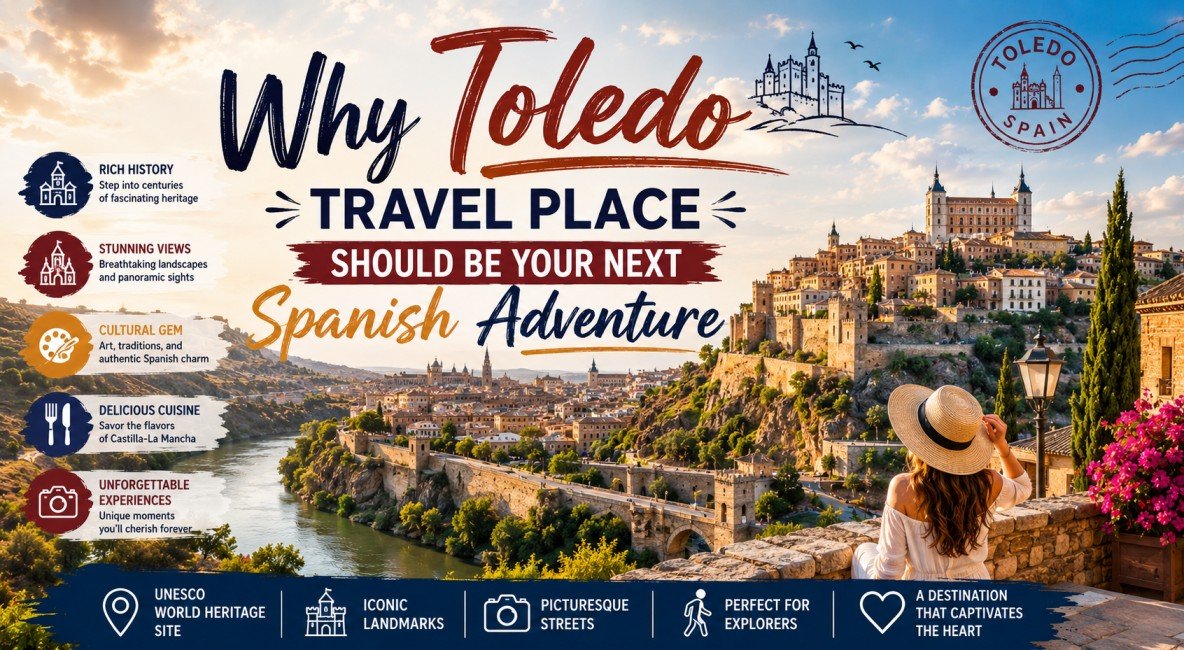
If you’re searching for a Toledo travel place that blends history, culture, and authentic Spanish charm, look no further than the ancient city of Toledo. Nestled along the Tagus River in central Spain, Toledo stands as a living museum of three great civilizations Christian, Muslim, and Jewish whose legacies are etched into every cobblestone alley and grand monument. This UNESCO World Heritage Site isn’t just a destination; it’s a journey through time, offering travelers a rare chance to walk where emperors, scholars, and artists once roamed. Whether you’re drawn to medieval architecture, religious heritage, or simply crave an immersive cultural experience, Toledo delivers with unmatched depth and authenticity.
Unlike the bustling beaches of Costa del Sol or the modern skyline of Barcelona, Toledo offers a quieter, more contemplative form of travel. It’s the kind of place where you can sip coffee in a centuries-old plaza, explore a cathedral that took over 200 years to build, or lose yourself in the winding streets of the Jewish Quarter. For travelers seeking a destination rich in stories and steeped in tradition, Toledo is not just a travel place it’s a pilgrimage to the soul of Spain.
Discover the Heart of Toledo: A City Where Cultures Converge
Toledo’s unique identity stems from its centuries-long role as a crossroads of civilizations. Known historically as the “City of Three Cultures,” it was a rare haven where Christians, Muslims, and Jews lived side by side, contributing to a rich tapestry of art, science, and philosophy. This harmonious coexistence left behind a legacy that still defines the city today. From the intricate geometric patterns of Moorish architecture to the solemn grandeur of Gothic cathedrals and the quiet dignity of ancient synagogues, every corner of Toledo tells a story of tolerance and creativity.
Walking through Toledo feels like flipping through the pages of a history book. The city’s compact old town, perched atop a hill, is easily explored on foot, with narrow, winding streets that reveal hidden plazas, artisan workshops, and centuries-old churches. The blend of Roman, Visigothic, Islamic, and Renaissance influences makes it one of the most architecturally diverse cities in Spain. For travelers interested in cultural immersion, Toledo offers a rare opportunity to experience a living heritage that continues to shape Spanish identity.
Must-Visit Attractions in Toledo Travel Place
When planning your visit to this remarkable Toledo travel place, certain landmarks are non-negotiable. These sites not only showcase the city’s historical significance but also provide unforgettable experiences for visitors of all interests.
Toledo Cathedral – A Gothic Masterpiece
The Toledo Cathedral is one of Spain’s most important religious buildings and a pinnacle of Gothic architecture. Construction began in 1226 and continued for over 200 years, resulting in a vast, awe-inspiring structure filled with stained glass, intricate altarpieces, and priceless artworks. The highlight is the Capilla Mayor, home to a stunning gold altarpiece by sculptor Felipe Bigarny. Don’t miss the sacristy, which houses masterpieces by El Greco, Goya, and Velázquez.
Alcázar of Toledo – Fortress of Kings and Scholars
Dominating the city’s skyline, the Alcázar is a formidable fortress that has served as a Roman palace, royal residence, military academy, and now a museum. Rebuilt after being damaged during the Spanish Civil War, it now houses the Army Museum and offers panoramic views of Toledo from its upper terraces. The building’s massive stone walls and imposing towers reflect its strategic importance throughout history.
Synagogue of Santa María la Blanca – A Testament to Coexistence
Built in the 12th century by the Jewish community, this synagogue is one of the oldest surviving in Europe. Though no longer used for worship, its elegant Mudéjar architecture featuring horseshoe arches, intricate stucco work, and a serene courtyard stands as a powerful symbol of Toledo’s multicultural past. It’s a quiet, reflective space that invites visitors to contemplate the city’s legacy of tolerance.
Monastery of San Juan de los Reyes – A Royal Legacy
Commissioned by the Catholic Monarchs, Ferdinand and Isabella, this 15th-century monastery was built to commemorate their victory at the Battle of Toro. Its ornate cloisters, Gothic spires, and royal heraldry reflect the grandeur of Spain’s unification. The monastery also features a beautiful garden and a small museum detailing its historical significance.
The Jewish Quarter – A Walk Through History
The Jewish Quarter, or Judería, is one of Toledo’s most atmospheric neighborhoods. Its labyrinthine streets are lined with whitewashed buildings, artisan shops, and hidden courtyards. Key sites include the Synagogue of El Transito, now a Sephardic Museum, and the El Greco House Museum, where the famed painter once lived. Wandering here feels like stepping back into medieval Toledo.
Art and Craftsmanship: Toledo’s Living Traditions
Toledo is not just a city of the past it’s a living center of artisanal craftsmanship. For centuries, it has been renowned for its production of damasquinado (Toledo steel), a technique of inlaying gold and silver into steel to create intricate designs. This tradition dates back to the Moors and remains alive today in workshops scattered throughout the old town. Visitors can watch artisans at work and purchase authentic pieces, from jewelry to decorative swords.
In addition to metalwork, Toledo is famous for its ceramics, leather goods, and handmade paper. The city’s artisans often use traditional methods passed down through generations, ensuring that each product carries a piece of Toledo’s cultural heritage. Shopping in Toledo isn’t just about souvenirs it’s about supporting local craftsmanship and taking home a tangible memory of your visit.
The influence of El Greco, Toledo’s most celebrated artist, is also deeply woven into the city’s artistic identity. His dramatic, elongated figures and spiritual intensity are on display in several churches and museums. The El Greco Museum, located in a reconstructed 16th-century house, offers insight into his life and work, making it a must-visit for art lovers.
Local Cuisine: A Taste of Toledo
No visit to this Toledo travel place is complete without indulging in its rich culinary traditions. Toledo’s cuisine reflects its diverse heritage, blending Castilian heartiness with Moorish spices and Jewish influences. Signature dishes include carcamusas (a pork and tomato stew), migas (fried breadcrumbs with chorizo and grapes), and perdices en salsa (partridge in a rich sauce of wine, almonds, and spices).
Toledo is also known for its sweets, particularly mazapán (marzipan), which has been produced here since the Middle Ages. The city’s marzipan, made from almonds and sugar, comes in intricate shapes and is often sold in colorful boxes as gifts. Bakeries like Santo Tomé and Pastelería María are famous for their traditional recipes and artistic presentations.
Pair your meal with a glass of local wine from the nearby La Mancha region, Spain’s largest wine-producing area. Many restaurants in Toledo offer wine tastings and tapas menus that highlight regional specialties. For a truly authentic experience, dine in one of the city’s historic taverns, where the atmosphere is as rich as the food.
Best Time to Visit Toledo Travel Place
The ideal time to visit Toledo depends on your preferences, but spring (April to June) and autumn (September to October) are generally considered the best seasons. During these months, the weather is mild, the crowds are manageable, and the city’s gardens and plazas are in full bloom. Spring festivals, such as Semana Santa (Holy Week), bring vibrant processions and cultural events, while autumn offers a quieter, more reflective atmosphere.
Summer (July and August) can be extremely hot, with temperatures often exceeding 35°C (95°F), making outdoor exploration uncomfortable during midday. However, early mornings and evenings are pleasant, and the city’s shaded alleys offer relief from the heat. Winter is the least crowded time to visit, with cooler temperatures and occasional rain, but it’s also when some attractions may have reduced hours.
Regardless of when you go, plan to arrive early in the day to avoid peak tourist hours, especially at major sites like the cathedral and Alcázar. Toledo is a compact city, so even a two-day visit allows for a thorough exploration of its highlights.
Getting to and Around Toledo
Toledo is easily accessible from Madrid, located just 70 kilometers (43 miles) to the south. The high-speed AVE train connects Madrid’s Atocha station to Toledo in under 30 minutes, making it a convenient day trip or weekend getaway. Buses are also available and slightly cheaper, though the journey takes about an hour.
Once in Toledo, the old town is entirely pedestrian-friendly. Most attractions are within walking distance of each other, and the hilly terrain adds to the charm, though it can be challenging for those with mobility issues. Electric tourist trains and hop-on-hop-off buses are available for a more relaxed tour. For a unique perspective, consider a boat ride along the Tagus River, which offers stunning views of the city’s skyline.
Parking in the historic center is restricted, so it’s best to leave your car at one of the designated lots on the outskirts and walk or take a shuttle into the city. Taxis are readily available, and many hotels offer guided walking tours that provide deeper insights into Toledo’s history and culture.
Where to Stay in Toledo Travel Place
Accommodation in Toledo ranges from luxury boutique hotels to charming guesthouses and budget-friendly hostels. For an authentic experience, consider staying in the old town, where many buildings date back centuries and offer unique architectural features. Hotels like Parador de Toledo, located in a former convent with panoramic views, or the NH Collection Toledo, housed in a restored 16th-century palace, provide both comfort and historical ambiance.
Budget travelers will find plenty of options in the surrounding neighborhoods, with many guesthouses offering clean, comfortable rooms at affordable prices. Hostels like La Posada del León are popular among backpackers and offer a social atmosphere with organized tours and events.
For a truly immersive stay, look for accommodations that include breakfast with local specialties or offer cooking classes. Many hotels also provide concierge services to help plan your itinerary, book tickets, and arrange transportation.
Key Takeaways: Why Toledo Stands Out as a Travel Destination
- Rich Cultural Heritage: Toledo’s identity as the “City of Three Cultures” offers a unique blend of Christian, Muslim, and Jewish influences seen in its architecture, art, and traditions.
- UNESCO World Heritage Status: The entire old town is protected, ensuring preservation of its historic buildings and urban layout.
- Artisanal Craftsmanship: Toledo remains a center for traditional crafts like damasquinado steelwork, marzipan, and ceramics.
- Culinary Excellence: Local dishes reflect centuries of cultural fusion, with specialties like carcamusas and marzipan.
- Accessibility: Just a short train ride from Madrid, Toledo is perfect for a day trip or extended stay.
- Year-Round Appeal: While spring and autumn are ideal, each season offers a different facet of Toledo’s charm.
Frequently Asked Questions About Toledo Travel Place
Is Toledo safe for tourists?
Yes, Toledo is generally very safe for tourists. Like any historic city, it’s wise to be cautious with personal belongings in crowded areas, but violent crime is rare. The old town is well-lit and patrolled, and locals are known for their hospitality.
Can I visit Toledo as a day trip from Madrid?
Absolutely. With the high-speed train taking under 30 minutes, many travelers visit Toledo as a day trip. However, to fully appreciate its depth, consider staying overnight to explore at a more relaxed pace and enjoy the city after dark.
What should I wear when visiting religious sites in Toledo?
When visiting churches and cathedrals, dress modestly cover shoulders and knees. Many sites provide shawls or wraps at the entrance, but it’s best to come prepared. Comfortable walking shoes are also essential due to the cobblestone streets.
Final Thoughts: Toledo as a Timeless Travel Place
Toledo is more than just a destination it’s an experience that lingers long after you’ve left. As a Toledo travel place, it offers a rare combination of historical depth, cultural richness, and authentic Spanish charm. Whether you’re marveling at the grandeur of the cathedral, savoring a plate of carcamusas, or watching an artisan craft a piece of damasquinado steel, every moment in Toledo feels meaningful.
It’s a city that rewards curiosity and invites exploration. Unlike more commercialized destinations, Toledo retains a sense of authenticity and tranquility that makes it ideal for travelers seeking substance over spectacle. For those who value history, art, and human connection, Toledo is not just a place to visit it’s a place to remember.
So, the next time you plan a trip to Spain, consider stepping off the beaten path and into the heart of Toledo. You’ll discover a city that has stood the test of time, not just as a relic of the past, but as a living, breathing testament to the enduring power of culture and coexistence.

