

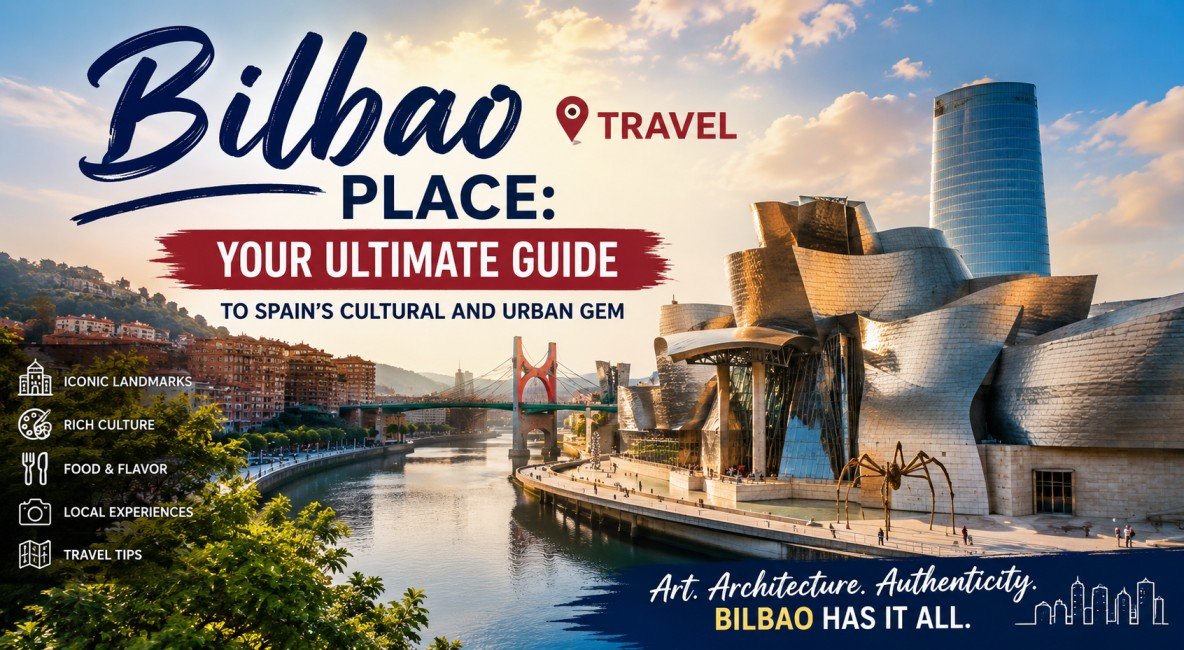
Looking for a Bilbao travel place that blends modern architecture, rich history, and vibrant local culture? You’ve found it. Nestled in the heart of Spain’s Basque Country, Bilbao is far more than just a stopover it’s a destination that rewards curious travelers with world-class museums, stunning riverfront views, and a culinary scene that’s earned global acclaim. Once known primarily for its industrial past, Bilbao has transformed into one of Europe’s most exciting urban destinations, thanks in large part to the iconic Guggenheim Museum. But there’s so much more to explore beyond the titanium curves of Frank Gehry’s masterpiece.
Whether you’re planning a weekend getaway or a week-long immersion, Bilbao offers a dynamic mix of art, nature, tradition, and innovation. From wandering the cobbled streets of the Old Town to savoring pintxos (Basque tapas) in a centuries-old tavern, every corner of this city tells a story. In this comprehensive guide, we’ll walk you through the must-see attractions, hidden gems, local customs, and practical travel tips to help you make the most of your visit to Bilbao.
Why Bilbao Is a Must-Visit Travel Destination
Bilbao has undergone a remarkable renaissance over the past few decades. Once a gritty industrial hub, the city has reinvented itself as a cultural and architectural powerhouse. The opening of the Guggenheim Museum in 1997 marked a turning point, sparking what’s now known as the “Bilbao Effect” a phenomenon where a single cultural institution revitalizes an entire urban area.
Today, Bilbao is celebrated not only for its modern landmarks but also for its deep-rooted Basque heritage. The city sits along the Nervión River, offering scenic waterfront walks, lush parks, and panoramic viewpoints. Its compact size makes it highly walkable, and its efficient public transportation system ensures you can explore with ease.
What truly sets Bilbao apart is its authenticity. Unlike some over-touristed European cities, Bilbao retains a strong local identity. You’ll hear Basque (Euskara) spoken in markets, see traditional festivals celebrated with pride, and taste food that’s been perfected over generations. For travelers seeking a destination that’s both cosmopolitan and deeply cultural, Bilbao is a perfect choice.
Top Attractions in Bilbao
When visiting Bilbao, certain landmarks are non-negotiable. These sites define the city’s identity and offer unforgettable experiences for first-time and returning visitors alike.
Guggenheim Museum Bilbao
The Guggenheim Museum is the undisputed crown jewel of Bilbao. Designed by renowned architect Frank Gehry, the building itself is a work of art its shimmering titanium panels reflect light and water, creating a constantly changing visual spectacle. Inside, the museum houses an impressive collection of contemporary and modern art, including works by artists like Jeff Koons, Anish Kapoor, and Eduardo Chillida.
Don’t miss Puppy, Koons’ giant floral sculpture of a West Highland Terrier that guards the museum’s entrance. It’s become an iconic symbol of Bilbao and a favorite photo spot for visitors. The museum also hosts rotating exhibitions, so there’s always something new to discover.
Casco Viejo (Old Town)
Step back in time in Bilbao’s Casco Viejo, the historic heart of the city. This charming neighborhood is a maze of narrow, winding streets lined with centuries-old buildings, boutique shops, and traditional taverns. The Seven Streets (Siete Calles) date back to the 1400s and are home to some of the city’s oldest landmarks.
Visit the Santiago Cathedral, a Gothic masterpiece with a stunning altarpiece, or explore the San Antón Church, which gives the neighborhood its Basque name, Santiago. The area is also a food lover’s paradise nearly every bar serves pintxos, and many have been family-run for generations.
Alhóndiga Bilbao
Once a wine warehouse, Alhóndiga Bilbao has been transformed into a cultural and leisure complex by architect Philippe Starck. The building features 43 unique columns, a rooftop swimming pool, a library, cinemas, and exhibition spaces. It’s a striking example of adaptive reuse and a must-see for architecture enthusiasts.
The rooftop pool offers panoramic views of the city and the river perfect for a relaxing afternoon after a morning of sightseeing. Alhóndiga also hosts art installations and cultural events throughout the year.
Doña Casilda Iturrizar Park
Escape the urban buzz at Doña Casilda Iturrizar Park, Bilbao’s largest green space. Located just a short walk from the city center, this lush park features manicured gardens, ponds, sculptures, and shaded walking paths. It’s a favorite spot for locals to relax, jog, or enjoy a picnic.
The park is especially beautiful in spring when the cherry blossoms are in full bloom. It also houses the Basque Museum of Fine Arts, which features works by Spanish and Basque artists from the 12th to the 20th century.
Ría de Bilbao (Bilbao Estuary)
The Nervión River, known locally as the Ría de Bilbao, cuts through the city and serves as a natural divider between neighborhoods. A walk along the riverbanks offers stunning views of the Guggenheim, the Zubizuri Bridge (another Gehry design), and the historic Deusto district.
For a unique perspective, take a river cruise or rent a kayak. The waterway is also lined with restaurants and cafes, making it a great place to enjoy a meal with a view. At night, the city lights reflect beautifully on the water, creating a romantic atmosphere.
Exploring Bilbao’s Neighborhoods
Bilbao is made up of distinct neighborhoods, each with its own character and charm. To truly experience the city, venture beyond the main tourist spots and explore these local gems.
Deusto
Located across the river from the city center, Deusto is a quieter, residential area known for its wide avenues and green spaces. It’s home to the University of Deusto and the impressive Basilica of Begoña, a 16th-century church perched on a hill with panoramic views of the city.
Deusto is also a great place to experience local life. Visit the Deusto Market for fresh produce, cheeses, and seafood, or relax at one of the neighborhood’s cozy cafes. The area is well-connected by metro, making it easy to explore.
Indautxu
Indautxu is Bilbao’s bustling commercial and residential hub. It’s where locals shop, dine, and socialize. The neighborhood is centered around Moyúa Square, a grand circular plaza surrounded by elegant buildings and palm trees.
Indautxu is also known for its vibrant nightlife. The area comes alive in the evenings with bars, clubs, and live music venues. It’s a great place to experience Bilbao’s contemporary culture and meet locals.
Abandoibarra
This modern riverside district has been completely redeveloped in recent years. Once an industrial zone, Abandoibarra is now a sleek, pedestrian-friendly area with contemporary architecture, public art, and cultural venues.
In addition to the Guggenheim, the district is home to the Euskalduna Palace (a concert hall and conference center) and the Iberdrola Tower, one of the tallest buildings in Spain. The area is perfect for a leisurely stroll, especially at sunset.
Food and Drink: A Taste of Basque Cuisine
No visit to Bilbao is complete without indulging in its world-famous cuisine. The Basque Country is considered the culinary capital of Spain, and Bilbao is at the heart of this gastronomic revolution.
Pintxos: The Basque Answer to Tapas
Pintxos (pronounced “pin-chos”) are small, elaborately prepared snacks served on slices of bread and held together with a toothpick. They’re a staple of Basque dining and a must-try in Bilbao. Unlike Spanish tapas, pintxos are often more artistic and inventive, featuring ingredients like smoked salmon, foie gras, Idiazábal cheese, and grilled peppers.
Some of the best pintxos bars are found in Casco Viejo. Popular spots include Gure Toki, La Vina, and Borda Berri. Many bars offer a “pintxo-pote” deal a pintxo paired with a drink for a fixed price, usually around €2–€3.
Traditional Basque Dishes
Beyond pintxos, Bilbao offers a range of traditional dishes that reflect the region’s coastal and mountainous geography. Try bacalao al pil-pil (cod in garlic and olive oil emulsion), kokotxas (hake cheeks in green sauce), or txangurro (spider crab baked with breadcrumbs and brandy).
For dessert, don’t miss basque cheesecake a rich, caramelized cheesecake with a creamy interior and slightly burnt top. It’s a modern classic that originated in San Sebastián but is now beloved throughout the region.
Wine and Txakoli
The Basque Country is known for its crisp, slightly fizzy white wine called txakoli (pronounced “cha-ko-lee”). It’s traditionally poured from a height to aerate it, creating a frothy pour that’s both fun and refreshing.
Many bars in Bilbao serve txakoli by the glass or bottle. It pairs perfectly with seafood and pintxos. For a deeper dive, consider visiting a txakoli winery in nearby Getaria or Zarautz both are accessible by car or organized tour.
Getting Around Bilbao
Bilbao is a highly walkable city, especially in the central areas. However, its efficient public transportation system makes it easy to explore further afield.
Metro and Tram
The Bilbao Metro, designed by Norman Foster, is one of the most modern and user-friendly systems in Europe. It connects the city center with suburbs, beaches, and nearby towns like Getxo and Portugalete. The metro is clean, punctual, and affordable, with single tickets starting at around €1.50.
The Euskotram light rail runs along the river and connects key areas like Abando, Deusto, and Basurto. It’s a scenic and convenient way to travel short distances.
Bilbao City Bus
The city bus network covers areas not served by the metro or tram. Buses are frequent and reliable, with routes clearly marked at stops. A single ride costs €1.60, or you can purchase a multi-ride card for better value.
Bilbobus and Barik Card
Bilbobus is the city’s urban bus service, operating within Bilbao proper. For frequent travelers, the Barik Card is a rechargeable travel card that works on metro, tram, and bus. It offers discounted fares and can be topped up at stations and kiosks.
Walking and Cycling
Bilbao is increasingly bike-friendly, with dedicated lanes and bike-sharing programs like Bilbao Bike. Renting a bike is a great way to explore the riverfront, parks, and quieter neighborhoods.
Walking is the best way to experience the city’s charm. The compact layout means most major attractions are within a 20–30 minute walk of each other.
Best Time to Visit Bilbao
Bilbao enjoys a mild oceanic climate, with cool winters and warm summers. The best time to visit is during spring (April to June) and early autumn (September to October), when the weather is pleasant, crowds are manageable, and festivals are in full swing.
Summer (July and August) can be busy, especially around the Guggenheim and Casco Viejo. However, the long daylight hours and lively atmosphere make it a great time for outdoor dining and events.
Winter is quieter and more affordable, though it can be rainy. If you don’t mind the weather, you’ll find fewer tourists and lower prices on accommodations.
Key Takeaways
- Bilbao is a cultural and architectural destination that blends modern innovation with deep Basque traditions.
- The Guggenheim Museum is the city’s most famous landmark, but Bilbao offers much more, including historic neighborhoods, green spaces, and world-class cuisine.
- Casco Viejo is the heart of the city, perfect for exploring on foot and sampling authentic pintxos.
- Bilbao’s public transportation is efficient and affordable, making it easy to get around.
- The best time to visit is spring or early autumn for ideal weather and fewer crowds.
- Basque cuisine is a highlight don’t leave without trying pintxos, txakoli, and traditional seafood dishes.
FAQ
Is Bilbao safe for tourists?
Yes, Bilbao is considered one of the safest cities in Spain. Like any urban area, it’s wise to stay aware of your surroundings, especially in crowded tourist spots, but violent crime is rare. Pickpocketing can occur in busy areas, so keep your belongings secure.
Do I need to speak Basque or Spanish to visit Bilbao?
While Basque (Euskara) is widely spoken, most locals also speak Spanish and many speak English, especially in tourist areas. You’ll have no trouble getting by with basic Spanish or English. Learning a few Basque phrases, like “Eskerrik asko” (thank you), is appreciated but not required.
How many days should I spend in Bilbao?
Most travelers find that 2–3 days is ideal for exploring Bilbao’s main attractions, neighborhoods, and food scene. If you plan to take day trips to nearby coastal towns like Getxo or San Sebastián, consider staying 4–5 days.
Final Thoughts
Bilbao is more than just a travel destination it’s an experience. From its awe-inspiring architecture to its rich culinary traditions, the city invites you to slow down, savor, and explore. Whether you’re marveling at the Guggenheim, wandering the alleys of Casco Viejo, or toasting with a glass of txakoli, Bilbao leaves a lasting impression.
So, if you’re searching for a Bilbao travel place that offers culture, flavor, and authenticity, look no further. Pack your bags, bring your appetite, and get ready to discover one of Spain’s most dynamic cities.

