

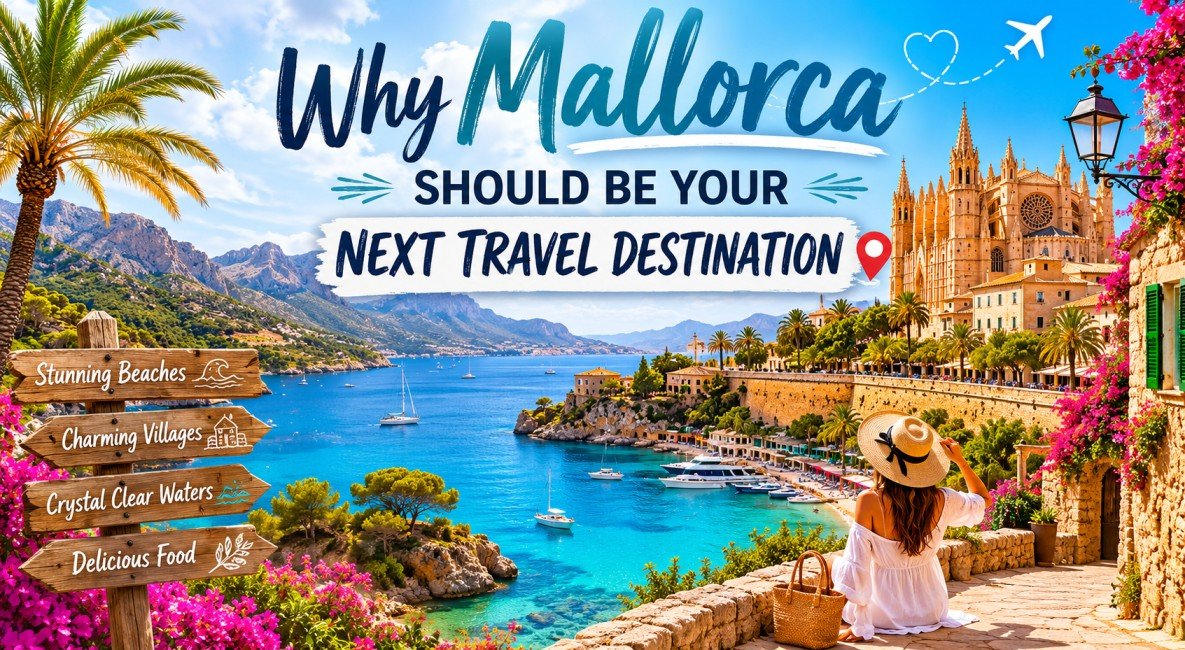
Dreaming of sun-drenched beaches, turquoise waters, and charming cobblestone villages? Mallorca, the largest island in Spain’s Balearic archipelago, is more than just a Mediterranean getaway it’s a complete travel experience. Whether you’re seeking relaxation, adventure, culture, or culinary delights, Mallorca delivers it all with effortless grace. From the bustling capital of Palma to the serene mountain villages of the Serra de Tramuntana, this island offers diverse landscapes and authentic Spanish charm that cater to every kind of traveler.
As a top-tier European destination, Mallorca blends natural beauty with rich history and modern comforts. Its coastline stretches over 550 kilometers, featuring secluded coves, family-friendly beaches, and world-class marinas. Inland, rolling hills, ancient olive groves, and traditional fincas (farmhouses) create a peaceful retreat from city life. With over 300 days of sunshine annually, mild winters, and warm summers, Mallorca is a year-round haven for travelers.
Whether you’re planning a romantic escape, a family vacation, or a solo adventure, Mallorca stands out as a must-visit travel place. Its accessibility just a short flight from most European cities combined with its variety of experiences, makes it an ideal choice for both first-time visitors and seasoned travelers. Let’s explore what makes Mallorca a standout destination and how you can make the most of your trip.
Discover the Best Regions to Visit in Mallorca
Mallorca is divided into distinct regions, each offering a unique slice of island life. Choosing where to stay depends on your travel style and interests. Here’s a breakdown of the island’s most popular areas:
Palma: The Vibrant Capital
Palma is the heart of Mallorca and a must-see for any visitor. This cosmopolitan city blends historic charm with modern energy. At its center stands the stunning La Seu Cathedral, a Gothic masterpiece overlooking the sea. Wander through the narrow streets of the Old Town, where hidden plazas, artisan shops, and tapas bars await.
The city’s waterfront, Paseo Marítimo, is perfect for evening strolls and waterfront dining. Palma also boasts a thriving arts scene, with galleries, museums, and live music venues. For nightlife, the Santa Catalina district is the place to be packed with bars, clubs, and rooftop terraces.
Sóller and the Northwest Coast
Located on the northwest coast, Sóller is a picturesque town surrounded by mountains and citrus groves. Accessible via a scenic vintage tram from the port, Sóller offers a peaceful escape with a touch of old-world charm. The central plaza, Plaça Constitució, is lined with palm trees and outdoor cafés.
Nearby, the Serra de Tramuntana** mountain range a UNESCO World Heritage Site offers hiking trails, panoramic views, and hidden villages like Deià and Valldemossa. These spots are beloved by artists and writers for their inspiring landscapes and tranquil atmosphere.
Alcúdia and the North
The northern town of Alcúdia is a gateway to some of Mallorca’s most beautiful beaches, including Platja d’Alcúdia and Es Comú. This area is ideal for families, with shallow waters, beachfront restaurants, and water sports rentals.
Alcúdia’s old town features a well-preserved medieval wall and a lively market every Tuesday and Sunday. Just a short drive away, the Cap de Formentor** peninsula offers dramatic cliffs, lighthouse views, and secluded coves perfect for swimming and snorkeling.
Magaluf and the Southwest
Magaluf is known for its vibrant nightlife and beach resorts, making it a popular spot for younger travelers and partygoers. While it has a reputation for rowdy tourism, recent efforts have improved the area’s image with upgraded hotels and family-friendly amenities.
Nearby, Palmanova and Santa Ponsa offer a more relaxed atmosphere with beautiful beaches and golf courses. The southwest coast is also home to luxury marinas like Port Adriano, where yachts dock alongside upscale restaurants and boutiques.
Top Attractions and Must-See Sights
Mallorca is packed with attractions that cater to all interests. Here are some of the island’s most iconic experiences:
- La Seu Cathedral (Palma Cathedral): A breathtaking example of Catalan Gothic architecture, this seaside cathedral features a massive rose window and stunning interior light displays.
- Bellver Castle: Located just outside Palma, this unique circular castle offers panoramic views of the city and the bay. It now houses a museum showcasing Mallorca’s history.
- Drach Caves (Cuevas del Drach): Near Porto Cristo, these underground caves feature vast chambers, underground lakes, and classical music concerts performed on rowboats.
- Cap de Formentor Lighthouse: At the northern tip of the island, this lighthouse offers some of the most spectacular coastal views in the Mediterranean.
- Valldemossa Charterhouse: A historic monastery where composer Frédéric Chopin once stayed. The site includes a museum, gardens, and traditional Mallorcan pastries like ensaimada.
Natural Wonders and Outdoor Adventures
Mallorca’s diverse landscapes make it a paradise for outdoor enthusiasts. The Serra de Tramuntana mountains are perfect for hiking, with trails like the Torrent de Pareis gorge offering thrilling canyon walks.
For water lovers, the island’s coastline is ideal for snorkeling, diving, and sailing. Popular spots include Cala Mesquida, Cala Mondragó, and the marine reserve near Cabrera Island. Kayaking along the cliffs of Cala Ratjada or paddleboarding in Albufera des Grau are also unforgettable experiences.
Cycling is another favorite activity, with routes ranging from flat coastal paths to challenging mountain climbs. The Mallorca 360 route circles the entire island, offering riders a complete tour of its varied terrain.
Beaches and Coastal Escapes
With over 200 beaches, Mallorca offers something for every beachgoer. Whether you prefer golden sands, rocky coves, or hidden bays, you’ll find your perfect spot.
Family-Friendly Beaches
- Platja de Palma: A long, sandy beach with calm waters, perfect for children. It’s lined with hotels, restaurants, and water sports centers.
- Es Trenc: Known for its powdery white sand and crystal-clear waters, this beach is a favorite among locals and tourists alike. Note: It’s a naturist beach in some sections.
- Cala Agulla: Located near Cala Ratjada, this beach features soft sand, shallow waters, and a pine forest backdrop.
Secluded and Scenic Coves
- Cala Deià: A small, pebbly cove near the village of Deià, accessible by foot or boat. It’s surrounded by cliffs and offers excellent snorkeling.
- Cala Mondragó: A protected natural park with two main beaches, dunes, and hiking trails. Ideal for nature lovers.
- Cala Varques: A hidden gem accessible only by foot or boat, featuring turquoise waters and a peaceful atmosphere.
Beach Clubs and Luxury Spots
For a more upscale experience, visit beach clubs like Niki Beach Mallorca in Santa Ponsa or Blue Marlin in Cala Jondal. These venues offer sunbeds, cabanas, gourmet food, and live DJ sets.
Culinary Delights: What to Eat and Drink in Mallorca
Mallorcan cuisine is a delicious blend of Mediterranean flavors, fresh seafood, and local traditions. Don’t leave without trying these must-eat dishes:
- Tumbet: A vegetarian dish made with layers of potatoes, eggplant, peppers, and tomatoes, baked with olive oil.
- Frito Mallorquín: A hearty mix of fried offal (like liver and kidneys), potatoes, and peppers, often served as a tapa.
- Arroz brut: “Dirty rice” cooked with meat, vegetables, and spices, similar to paella but with a richer flavor.
- Ensaimada: A spiral-shaped pastry made with lard (saïm), often enjoyed for breakfast or dessert. Try it plain or filled with chocolate or cream.
- Gató de almendras: An almond cake that’s rich, moist, and perfect with a cup of coffee.
Local Wines and Beverages
Mallorca has a growing wine scene, with several bodegas producing high-quality reds, whites, and rosés. The Pla i Llevant and Binissalem regions are known for their vineyards. Visit a winery for a tasting tour and learn about indigenous grape varieties like Manto Negro and Prensal Blanc.
For a refreshing drink, try Hierbas Mallorquinas, a local herbal liqueur served as a digestif. It’s made with aromatic plants like thyme, fennel, and rosemary.
Cultural Experiences and Local Life
To truly experience Mallorca, immerse yourself in its culture and traditions. Start by visiting a local market, such as the Mercat de l’Olivar in Palma or the weekly market in Sóller. Here, you’ll find fresh produce, handmade crafts, and regional specialties.
Attend a traditional ball d’aire (folk dance) performance or a festa major (local festival), which often include music, dancing, and fireworks. Each village has its own celebration, usually held in honor of a patron saint.
Learn about Mallorca’s history at museums like the Museu de Mallorca or the Fundació Pilar i Joan Miró, which showcases works by the famous artist who lived in Deià.
Practical Tips for Traveling to Mallorca
Planning your trip to Mallorca? Here are some essential tips to ensure a smooth and enjoyable experience:
- Best Time to Visit: Late spring (May–June) and early autumn (September–October) offer pleasant weather, fewer crowds, and lower prices. Summer (July–August) is peak season hot and busy, but perfect for beach lovers.
- Getting Around: Renting a car is the best way to explore the island, especially for reaching remote villages and coves. Public buses and trains connect major towns, but service can be limited in rural areas.
- Language: While Spanish is widely spoken, Catalan (specifically Mallorquí) is the official language. Learning a few basic phrases in both can enhance your experience.
- Currency: The Euro (€) is used throughout the island. Credit cards are widely accepted, but carry cash for small vendors and markets.
- Safety: Mallorca is generally safe, but be cautious of pickpockets in tourist areas and always secure your belongings at the beach.
Key Takeaways
- Mallorca is a diverse travel destination offering beaches, mountains, culture, and cuisine.
- Top regions include Palma, Sóller, Alcúdia, and the southwest coast each with its own character.
- Must-see attractions range from the La Seu Cathedral to the Drach Caves and Cap de Formentor.
- The island boasts over 200 beaches, from family-friendly sands to hidden coves.
- Local dishes like tumbet, frito mallorquín, and ensaimada are essential culinary experiences.
- For the best experience, visit in spring or autumn and consider renting a car to explore fully.
FAQ
What is the best time of year to visit Mallorca?
The best time to visit Mallorca is during late spring (May–June) or early autumn (September–October). During these months, the weather is warm and pleasant, crowds are smaller, and accommodation prices are more reasonable. Summer (July–August) is ideal for beach lovers but comes with higher prices and larger crowds.
Do I need a car to get around Mallorca?
While public transportation connects major towns, renting a car is highly recommended for exploring the island’s hidden gems, rural villages, and remote beaches. A car gives you the freedom to visit places like the Serra de Tramuntana mountains, Deià, and Cap de Formentor at your own pace.
Is Mallorca expensive for tourists?
Mallorca offers options for all budgets. While luxury resorts and beach clubs can be pricey, there are plenty of affordable accommodations, local eateries, and free activities like hiking and beach visits. Traveling during the shoulder season and dining at local tavernas can help keep costs down.

