

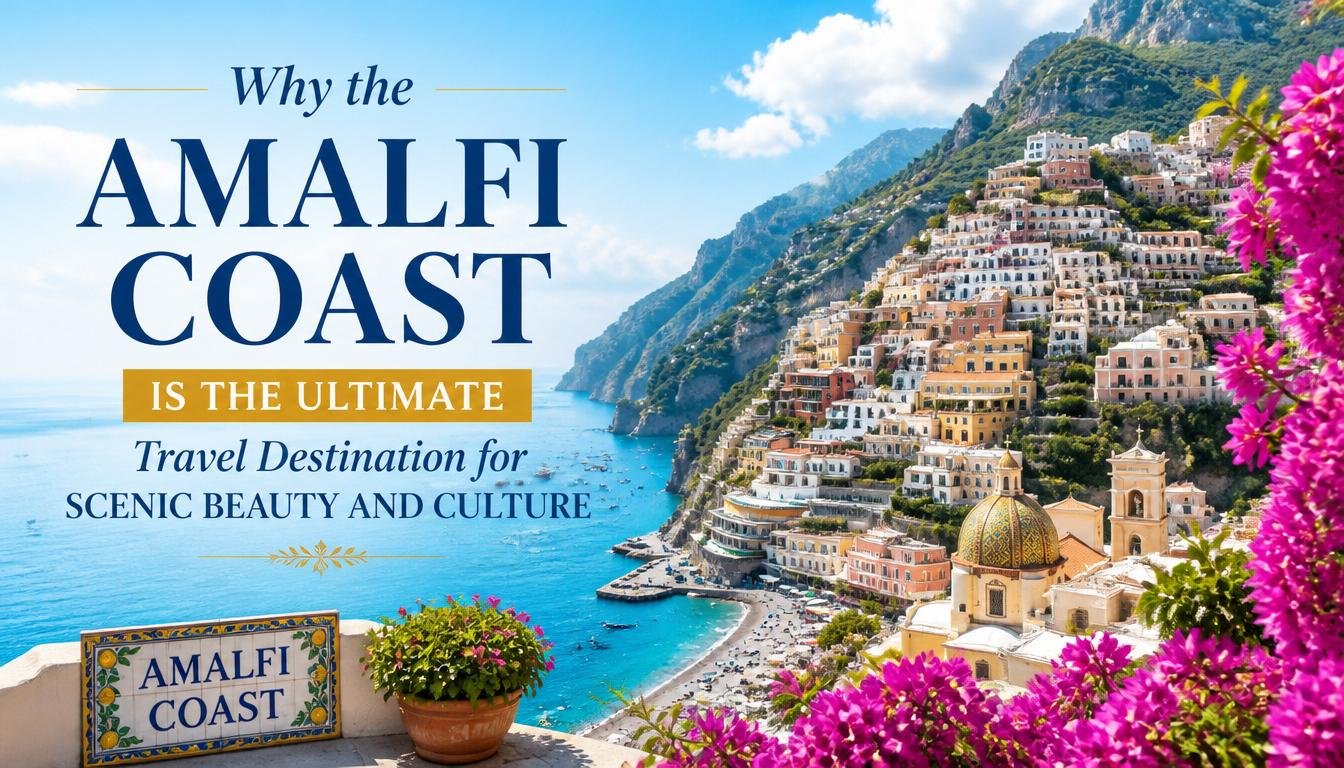
The Amalfi Coast is more than just a destination it’s a sensory journey through dramatic cliffs, turquoise waters, and centuries-old villages clinging to the edge of the Tyrrhenian Sea. Stretching along Italy’s southern coastline in the Campania region, this UNESCO World Heritage site offers travelers an unparalleled blend of natural beauty, rich history, and authentic Mediterranean charm. Whether you’re drawn to its pastel-colored homes, winding coastal roads, or world-class cuisine, the Amalfi Coast delivers an experience that lingers long after you’ve left.
From the glamorous island of Capri to the laid-back vibes of Praiano, every corner of the Amalfi Coast tells a story. This article dives deep into what makes the Amalfi Coast a must-visit travel place, covering the best towns to explore, hidden gems, seasonal tips, and practical advice for making the most of your trip. If you’re planning a romantic getaway, a family vacation, or a solo adventure, the Amalfi Coast offers something unforgettable for every traveler.
Where Is the Amalfi Coast and Why Is It So Famous?
The Amalfi Coast is located in southern Italy, about 60 kilometers south of Naples. It spans roughly 50 kilometers of coastline between the Gulf of Salerno and the Gulf of Naples, forming a crescent-shaped stretch of rugged terrain dotted with picturesque towns. Its fame stems from a unique combination of geography, history, and culture that few destinations can match.
Declared a UNESCO World Heritage Site in 1997, the Amalfi Coast is celebrated for its outstanding natural landscape and cultural significance. The area was once a powerful maritime republic in the Middle Ages, with Amalfi itself serving as a major trading hub between Europe and the Middle East. Today, that legacy lives on in the region’s architecture, cuisine, and traditions.
What truly sets the Amalfi Coast apart is its dramatic topography. Steep cliffs plunge into the sea, creating secluded coves and hidden beaches accessible only by boat or hiking trails. The SS163 road, known as the Amalfi Drive, winds along the cliffs, offering jaw-dropping views at every turn. It’s no surprise that this stretch is often called one of the most beautiful drives in the world.
Top Towns to Visit on the Amalfi Coast
Each town along the Amalfi Coast has its own personality, from bustling tourist hubs to quiet, authentic villages. Here are the most iconic destinations you shouldn’t miss:
Positano: The Postcard-Perfect Village
Positano is arguably the most famous town on the Amalfi Coast. Its tiered houses cascade down the cliffside in a rainbow of pastel hues ochre, pink, blue, and white creating a scene straight out of a travel magazine. The town’s main beach, Spiaggia Grande, is lined with colorful umbrellas and beachfront cafes, making it a favorite spot for sunbathers and Instagrammers alike.
Beyond the beach, Positano offers boutique shopping, upscale dining, and a vibrant nightlife scene. Don’t miss a stroll through the narrow alleyways of the historic center, where you’ll find artisan shops selling handmade sandals, ceramics, and limoncello.
Amalfi: The Historic Heart of the Coast
As the namesake of the coast, Amalfi holds a special place in the region’s history. Once a dominant maritime power, the town is home to the stunning Amalfi Cathedral, a 9th-century masterpiece blending Arab-Norman and Byzantine styles. Climb the 112-step staircase to the cathedral’s entrance for panoramic views of the town and sea.
Amalfi is also a practical base for exploring the region, with a central port offering ferry connections to other towns and islands. The nearby Valle delle Ferriere nature reserve is perfect for hikers, featuring waterfalls, ancient paper mills, and lush vegetation.
Ravello: The Elevated Escape
Perched high above the coastline, Ravello offers a quieter, more refined atmosphere. Known for its music festivals and breathtaking views, this hilltop town is a haven for artists and intellectuals. The Villa Cimbrone and Villa Rufolo gardens are must-visits, offering terraced landscapes and panoramic terraces overlooking the sea.
Ravello is ideal for travelers seeking tranquility and culture. It’s also a great spot for wine lovers, with local vineyards producing crisp white wines made from the Falanghina grape.
Sorrento: The Gateway to the Coast
Though technically just outside the official Amalfi Coast boundary, Sorrento is often included in travel itineraries due to its proximity and transport links. This charming town sits on a cliff overlooking the Bay of Naples and offers easy access to Capri, Pompeii, and the Amalfi Coast via ferry.
Sorrento is famous for its lemon groves and production of limoncello, a sweet lemon liqueur. The town’s historic center is filled with narrow streets, lemon-themed souvenirs, and outdoor cafes serving fresh seafood and espresso.
Conca dei Marini and Praiano: Hidden Gems
For travelers looking to escape the crowds, Conca dei Marini and Praiano offer authentic, less-touristy experiences. Conca dei Marini is home to the stunning Emerald Grotto, a sea cave illuminated by an otherworldly green light. Praiano, located between Positano and Amalfi, is a peaceful village with stunning sunsets, quiet beaches, and a slower pace of life.
Best Time to Visit the Amalfi Coast
Timing your trip to the Amalfi Coast can make a big difference in your experience. The region enjoys a Mediterranean climate, with warm, dry summers and mild, wet winters. However, each season offers unique advantages and challenges.
Spring (April to June)
Spring is widely considered the best time to visit the Amalfi Coast. The weather is warm but not scorching, wildflowers bloom across the hillsides, and the sea begins to warm up for swimming. Crowds are smaller than in summer, and accommodation prices are more reasonable.
This is also the ideal time for hiking the Path of the Gods (Sentiero degli Dei), a scenic trail that offers some of the most breathtaking views of the coastline.
Summer (July to August)
Summer brings peak tourism to the Amalfi Coast. The weather is hot and sunny, perfect for beach days and boat trips. However, the region can become extremely crowded, especially in July and August. Traffic on the SS163 road is heavy, and popular towns like Positano and Amalfi can feel overwhelming.
If you visit in summer, consider staying in a quieter town like Praiano or Conca dei Marini and taking day trips to the more popular destinations.
Fall (September to October)
Fall is another excellent time to visit. The summer crowds begin to thin, the sea remains warm enough for swimming, and the autumn light casts a golden glow over the cliffs. September is particularly beautiful, with harvest festivals and local food events celebrating the season’s bounty.
October offers fewer tourists and lower prices, though some seasonal businesses may begin to close toward the end of the month.
Winter (November to March)
Winter is the quietest season on the Amalfi Coast. While the weather is cooler and rain is more frequent, the region takes on a serene, almost mystical quality. Many hotels and restaurants close for the season, but those that remain open offer a more intimate, local experience.
Winter is ideal for travelers seeking solitude, cultural exploration, and lower costs. It’s also a great time to visit nearby Naples or Pompeii without the summer crowds.
How to Get Around the Amalfi Coast
Navigating the Amalfi Coast requires some planning, as the terrain is rugged and public transportation can be limited. Here are the most effective ways to get around:
- Ferry: The most scenic and efficient way to travel between towns. Ferries operate regularly between Amalfi, Positano, Sorrento, and Capri, with departures every 30–60 minutes in high season. Tickets can be purchased at ports or online.
- Bus: SITA buses run along the SS163 road, connecting major towns. While affordable, buses can be crowded and slow, especially in summer. Standing room only is common during peak hours.
- Car: Driving offers flexibility, but the narrow, winding roads are challenging, especially for inexperienced drivers. Parking is expensive and scarce. Consider renting a scooter for a more agile option.
- Taxi: Private taxis are available but costly. Pre-booking is recommended, especially for transfers from Naples or Salerno airports.
- Walking: Many towns are pedestrian-only, and walking is the best way to explore narrow streets and hidden alleys. The Path of the Gods is a popular hiking route connecting Bomerano to Nocelle.
Must-Try Food and Drink on the Amalfi Coast
The Amalfi Coast is a food lover’s paradise, with a cuisine deeply rooted in local ingredients and Mediterranean traditions. Fresh seafood, sun-ripened tomatoes, fragrant herbs, and, of course, lemons, define the region’s culinary identity.
Signature Dishes to Try
- Spaghetti alle Vongole: A classic pasta dish made with fresh clams, garlic, white wine, and parsley. Best enjoyed at a seaside trattoria.
- Scialatielli ai Frutti di Mare: Handmade pasta with a mix of seafood like shrimp, mussels, and squid in a light tomato or white wine sauce.
- Delizia al Limone: A moist lemon cake made with local Amalfi lemons, often served with a dusting of powdered sugar.
- Fried Calamari: Lightly battered and fried squid, best eaten with a squeeze of lemon and a cold beer.
- Zuppa di Pesce: A rich seafood stew packed with fish, shellfish, and vegetables, simmered in a tomato-based broth.
Local Drinks
- Limoncello: The iconic lemon liqueur of the Amalfi Coast, made from the zest of locally grown lemons. Serve chilled as a digestif.
- White Wine: Try wines made from Falanghina, Fiano, or Greco di Tufo grapes, which pair perfectly with seafood.
- Espresso: Italians take their coffee seriously. Enjoy a strong, quick espresso at a local bar, standing at the counter like a local.
Hidden Gems and Off-the-Beaten-Path Experiences
While the main towns are undeniably beautiful, the Amalfi Coast has plenty of hidden treasures for adventurous travelers.
The Path of the Gods (Sentiero degli Dei)
This legendary hiking trail offers some of the most spectacular views on the coast. Starting near Bomerano and ending in Nocelle, the 7-kilometer trail winds along the cliffs, passing through olive groves, wildflowers, and ancient stone paths. The hike takes about 3–4 hours and is moderately challenging, but the payoff is unforgettable.
Emerald Grotto (Grotta dello Smeraldo)
Located near Conca dei Marini, this sea cave is famous for its emerald-green waters, created by sunlight filtering through an underwater opening. Boat tours take visitors inside, where stalactites and stalagmites glisten in the ethereal light.
Atrani: Italy’s Smallest Town
Just a short walk from Amalfi, Atrani is a charming, unspoiled village with a quiet beach, a historic piazza, and a relaxed atmosphere. It’s often overlooked by tourists, making it a perfect spot for a peaceful afternoon.
Boat Tours and Island Hopping
Rent a private boat or join a group tour to explore hidden coves, swim in secluded bays, and visit nearby islands like Capri and Li Galli. Many tours include snorkeling, lunch, and stops at scenic spots like the Blue Grotto.
Sustainable Travel Tips for the Amalfi Coast
With increasing tourism, the Amalfi Coast faces challenges related to overcrowding, environmental degradation, and strain on local infrastructure. Travelers can help preserve this fragile paradise by adopting sustainable practices.
- Use Public Transport: Opt for ferries and buses instead of renting a car to reduce traffic and emissions.
- Stay in Eco-Friendly Accommodations: Choose hotels and guesthouses that prioritize sustainability, such as those using solar power or sourcing local food.
- Respect Local Culture: Dress modestly when visiting churches, support local artisans, and learn a few Italian phrases.
- Avoid Single-Use Plastics: Carry a reusable water bottle, shopping bag, and utensils to minimize waste.
- Visit in Shoulder Seasons: Traveling in spring or fall helps distribute tourism more evenly and reduces pressure on the region.
Key Takeaways
- The Amalfi Coast is a UNESCO World Heritage site renowned for its dramatic cliffs, colorful villages, and rich cultural history.
- Top towns to visit include Positano, Amalfi, Ravello, Sorrento, and hidden gems like Praiano and Conca dei Marini.
- The best time to visit is spring (April–June) or fall (September–October) for ideal weather and fewer crowds.
- Travel between towns via ferry, bus, or on foot; driving is possible but challenging.
- Must-try foods include seafood pasta, lemon desserts, and limoncello.
- Hidden experiences like the Path of the Gods, Emerald Grotto, and boat tours offer unforgettable adventures.
- Sustainable travel practices help preserve the beauty and authenticity of the Amalfi Coast for future generations.
FAQ
Is the Amalfi Coast expensive to visit?
Yes, the Amalfi Coast is considered a luxury destination, especially in peak season. Accommodation, dining, and activities can be costly. However, budget options exist, particularly in smaller towns or during the shoulder seasons. Traveling in spring or fall and using public transport can help reduce expenses.
Do I need a car to explore the Amalfi Coast?
No, a car is not necessary and can be more of a hassle due to narrow roads, limited parking, and heavy traffic. Ferries and buses are efficient and scenic alternatives. If you prefer flexibility, consider renting a scooter or using taxis for short trips.
Can I swim on the Amalfi Coast?
Yes, swimming is one of the highlights of visiting the Amalfi Coast. Many towns have public beaches, though some are pebbly rather than sandy. For a more secluded experience, take a boat to hidden coves or visit quieter beaches in towns like Praiano or Atrani. Always check water conditions and swim safely.

